

The battle over residential helicopters in Auckland has reached the Environment Court. Here’s what Grey Lynn residents need to know.
What’s This All About?
For the past year, a quiet community battle has been brewing next door in Westmere. The property owners at 38 Rawene Avenue want permission to land a private helicopter at their home – four times a day, seven days a week.
You might think, “That doesn’t affect Grey Lynn.” But if this application succeeds, it could open the floodgates for helicopters throughout Auckland’s residential areas, including our own neighbourhood.
Grey Lynn Residents Association has been supporting Quiet Sky Waitematā since the beginning, promoting their petition and raising awareness about what’s at stake.
The Latest Development
The Environment Court held a hearing on 12 December 2025 to decide a crucial question: should helicopters be allowed to land in residential neighbourhoods in Auckland at all?
This isn’t just about one helicopter anymore. It’s about how Auckland’s planning rules work.
Here’s what happened:
Independent commissioners approved the Rawene Avenue application earlier this year. But they did something controversial – they decided that helicopters should be treated as a “permitted activity” in Auckland’s residential areas, as long as they meet certain noise standards.
Think about that for a moment. Under this interpretation, your neighbour could potentially land a helicopter in their backyard without needing special permission, as long as they claim it’s not too noisy.
Quiet Sky Waitematā, supported by Auckland Council, challenged this interpretation. They argue that helicopters should be classified as a “non-complying activity”, which is something that requires careful scrutiny before approval.
What Do These Terms Mean?
Let’s break down the jargon:
Permitted activity: Something you can do without asking permission, like parking your car in your driveway.
Non-complying activity: Something that goes against the normal rules for an area and needs special approval, like running a factory in a neighbourhood meant for houses.
Quiet Sky Waitematā argues that flying helicopters is clearly non-complying. It’s not a normal residential activity like driving a car or mowing your lawn.
The commissioners disagreed. They said helicopters are “inherently associated with residential land use”. In other words, their view is that they’re just another form of transport, like a car or bicycle.
Why Is This Important?
If the commissioners’ interpretation stands, Auckland would become one of the only major cities in the world to allow private helicopters in residential areas as a standard right.
Cities like Sydney, New York, and Los Angeles banned private residential helicopters long ago. They recognised that helicopters create unique problems…
Noise pollution: Helicopters are loud. Really loud. And acoustic modelling (computer predictions of noise) often doesn’t match reality.
Safety concerns: A helicopter creates powerful downdrafts called “rotor wash.” This can be dangerous for people on beaches, boats on the water, or anyone nearby.
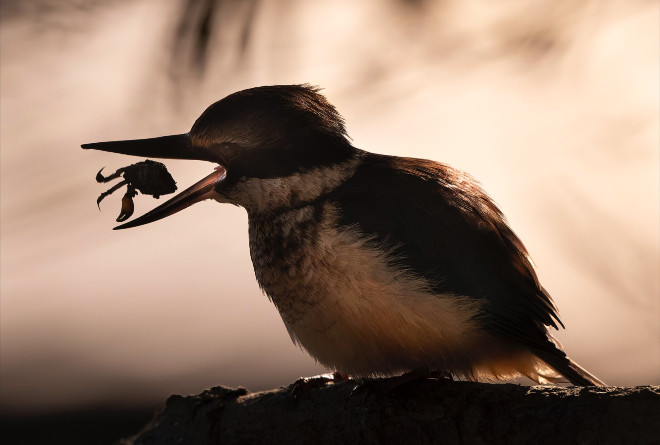
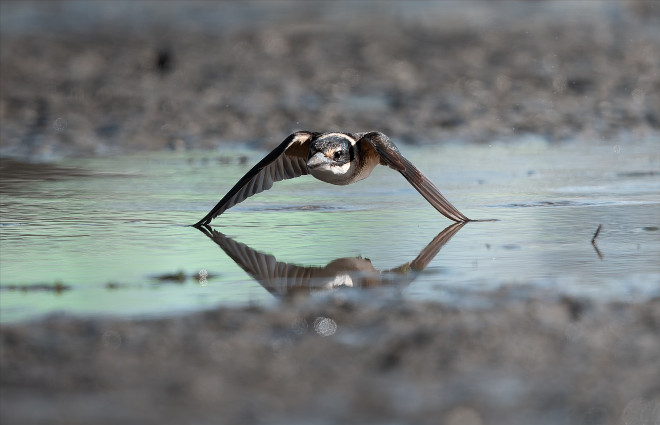
Environmental damage: The Rawene Avenue application sits right on the headland at Coxs Bay, where endangered birds like New Zealand dotterels, oystercatchers, and godwits feed and rest. Helicopter noise and rotor wash can disturb or even kill these protected species.
Precedent: Once one helicopter is approved under this interpretation, it becomes much harder to stop others.
The Numbers Tell a Story
When Auckland Council asked for public submissions on the Rawene Avenue application, the response was overwhelming:
- 1,397 total submissions received
- 1,302 opposed (93%)
- 89 in support (6%)
- 5 neutral
That’s a clear message from the community: people don’t want helicopters in residential neighbourhoods.
Auckland Council’s own planning staff recommended declining the application. Their ecologist, arborist, and planner all said it should be refused due to environmental impacts.
Yet the independent commissioners approved it anyway. Go figure.
What Happens Next?
Judge Semple from the Environment Court is now considering the case. She’ll decide whether helicopters should be treated as permitted activities or non-complying ones in Auckland’s residential areas.
The judge heard presentations on 12 December from:
- Quiet Sky Waitematā’s legal team
- The Tree Council
- Auckland Council (supporting Quiet Sky Waitematā’s position)
- The applicant’s lawyers
The decision probably won’t come until after the end of January 2026 at the earliest.
This is an interim decision. It will determine how helicopters are classified under planning rules. That classification then affects whether the Rawene Avenue application gets approved.
The Bigger Picture to Residential Helicopters in Auckland
This case highlights a tension in how Auckland grows.
On one hand, we’re intensifying urban areas, building more homes closer together. We’re told this is necessary for a growing city.
On the other hand, as neighbourhoods become more densely populated, protecting peace and quiet becomes more important, not less.
Coxs Bay is used by kayakers, sailors, walkers, tennis players, and scouts. Children play sports there. People swim and windsurf. Birds feed on the mudflats.
Should all of this be disrupted so one person can shave time off their commute?
What Can We Learn?
Beyond this specific case, there’s a broader lesson about how planning decisions get made.
Even when:
- Auckland Council recommends refusal
- Council experts recommend refusal
- 93% of submissions oppose an application
- Endangered species are at risk
…a small panel of commissioners can override all of that and approve an application anyway.
It makes people wonder: what’s the point of public consultation if the community’s voice can be ignored?
Looking Ahead
Whatever the Environment Court decides will have lasting implications.
If Quiet Sky Waitematā wins, helicopters will need to meet much higher standards before approval in residential areas. Environmental impacts, safety, and community concerns will all need to be carefully considered.
If the applicant wins, we could see more helicopter applications throughout Auckland’s coastal suburbs – Herne Bay, Point Chevalier, Saint Marys Bay, Takapuna, Birkenhead, and yes, potentially Grey Lynn.
The decision will also send a signal about how much weight should be given to community opposition and environmental concerns in planning decisions.
Stay Informed
Grey Lynn Residents Association will continue monitoring this case and keep you updated.
If you want to learn more or follow developments, visit the Quiet Sky Waitematā website at www.quietsky.nz.
For now, we wait for the Environment Court’s decision… and hope that common sense and community concerns prevail.

To whom it may concern,
Helicopters are not necessary in the city. We have cars, bikes, we have footpaths, skateboards, scooters, buses, we have Uber taxis we have ordinary taxis, we do not need helicopters.
If you live in an isolated area, you wouldn’t have neighbours to bother with the terrible noise in it is a terrible noise. Not suitable for the city, a helicopter for private use, no.
Auckland is already half empty do you want almost everyone to go?
Most of us could easily move somewhere else.
The helicopter owners would be left with their noisy, nasty transport, and nobody around to see it or hear it,
Our Queen City would die. Stop doing things which scare people away!
Regards,
Raewyn Alexander
Grey Lynn resident for 40 years